Features
Part of 5 things worth knowing about lessons from real-world small room makeovers
Small Room Makeovers by Region: Weather Planning
Plan small room makeovers by region with evacuation storage, storm safety, humidity control, safe heating, and dust-aware finishes.
What to take away
- A makeover is a chance to fix a regional weakness cheaply.
- Documents and go bags need a place in the plan, not a corner.
- Storms create fire risk, which is the connection people miss.
- Regional choices belong in the design, not in a later purchase.
A makeover is mostly finishes and furniture, so it looks like the least regional kind of project. It is not. For small room makeovers by region, the finishes you choose and the places you put things determine how a compact home behaves when the weather turns.
Wildfire regions
The design decisions here are about evacuation and air, not about decor.
FEMA's wildfire preparation guidance builds around having several ways to receive alerts, an emergency plan everyone in the household understands, reviewing insurance and important documents, and paying attention to air quality alerts. Set up more than one alert route before fire season: NOAA Weather Radio, Wireless Emergency Alerts on a phone, and your local county alert system where enrollment is offered.
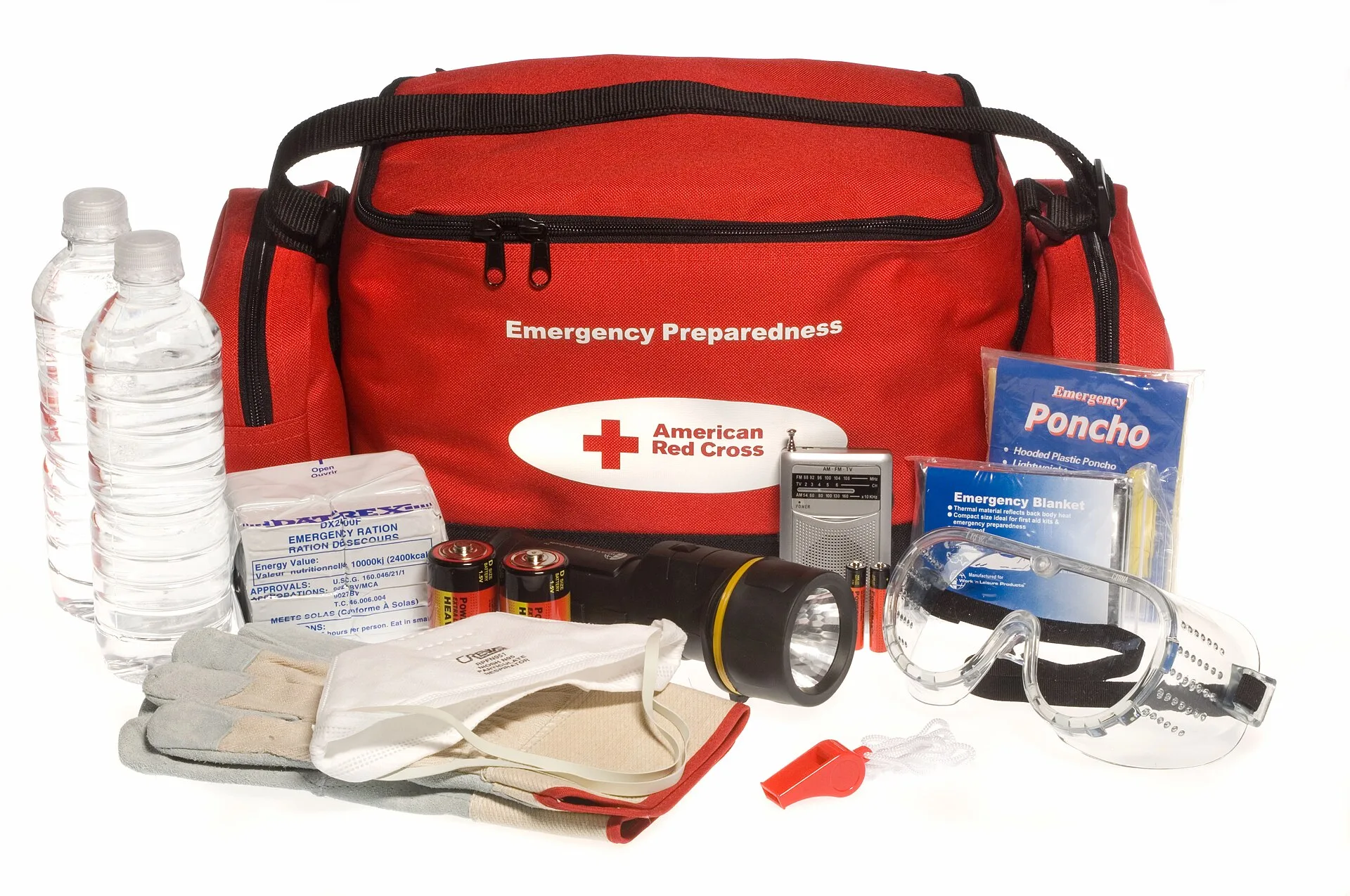
Makeover consequences: give documents and a go bag a designated, reachable place near the door rather than at the back of a wardrobe. Choose one room that can be closed and filtered during a smoke event. Do not build storage across the window you might need to leave through.
Storm regions
Severe weather brings a fire risk that most people do not associate with it. The U.S. Fire Administration's guidance on severe weather fire safety lists the hazards a storm brings: lightning, portable generators that are seldom used or maintained, leaking gas lines and damaged propane containers, appliances and vehicles exposed to water, and exposed wiring.
The U.S. Fire Administration's messages are direct: never use candles for emergency lighting; use flashlights and keep spare batteries. Make sure your smoke alarm has a backup battery, choose a UL-listed surge protective device, and consider unplugging appliances. Never refuel a generator while it is running.
Makeover consequences: a drawer for flashlights and batteries in a place you can reach in the dark, plus surge protection designed in rather than added later. If you use a portable generator, operate it outdoors and away from doors, windows, and vents; follow CPSC carbon monoxide alarm guidance and keep working alarms in the home.
Circuits sized for what the room will actually hold belong in the same conversation. Which Small Room Remodeling Upgrades Add Everyday Value treats electrical capacity as work to settle during a remodel, not after.
Humid regions
EPA moisture-control guidance emphasizes stopping leaks, exhausting moisture outdoors, and allowing air to circulate. Choose washable satin or semi-gloss paint and tile or other nonporous finishes where splashes are likely; leave airflow behind furniture on exterior walls and avoid deep sealed closets against cool walls. Fabric-heavy makeovers hold moisture, so favor covers that can be washed and cushions that can be lifted and aired.
Cold regions
The U.S. Fire Administration's home-heating safety guidance advises keeping combustible items clear of heat sources; follow the appliance manufacturer's clearance instructions and keep shelves, curtains, and drying clothes outside that space. Plan a drying place for wet outerwear with a hard floor. Never use an outdoor-only fuel-burning appliance indoors.
Keep fixed storage outside the heating appliance's required clearance zone rather than sizing that space by guesswork. See What Homeowners Regret About Modular Storage Systems before deciding where built-in or modular storage belongs.
Dry regions
Reduce open shelving, choose finishes that hide dust rather than showing it, and expect static and shrinkage in timber over a first winter.
| Region | Makeover decision | Made when |
|---|---|---|
| Wildfire | Go bag location, one filtered room | At layout stage |
| Storm | Flashlight drawer, surge protection | At electrical stage |
| Humid | Wipeable finishes, airflow gaps | At material selection |
| Cold | Heat source clearance, drying zone | At layout stage |
| Dry | Closed storage | At material selection |
Every one of those is cheaper as a design decision than as a later correction. That is the whole argument for deciding during a makeover rather than after one.
For broader planning, see Lessons From Real-World Small Room Makeovers and Small-Space Design Mistakes: Regional Differences. Use those examples alongside local requirements and product instructions when choosing a layout.