Features
Small Home Air Filtration Retrofits: Permits, Condo Rules, and Wildfire Smoke
A small home air filtration retrofit guide: permit triggers, condo and landlord rules, MERV 13 limits, and wildfire smoke sizing.
What to take away
- A small home air filtration retrofit that stays plug-in needs no permit. Cutting a new exterior vent or adding a dedicated circuit usually does.
- Condo boards and landlords control shared walls, balcony units, and window inserts before hardware goes in.
- MERV 13 filters can overload a small HVAC blower, so check static pressure limits on the furnace nameplate.
- Size a portable purifier by CADRat least two-thirds of the room's square footage for smoke.
- For Kelowna, Calgary, and other smoke-prone areas, seal gaps and set HRV or HVAC to recirculate.
Permit triggers for filtration hardware
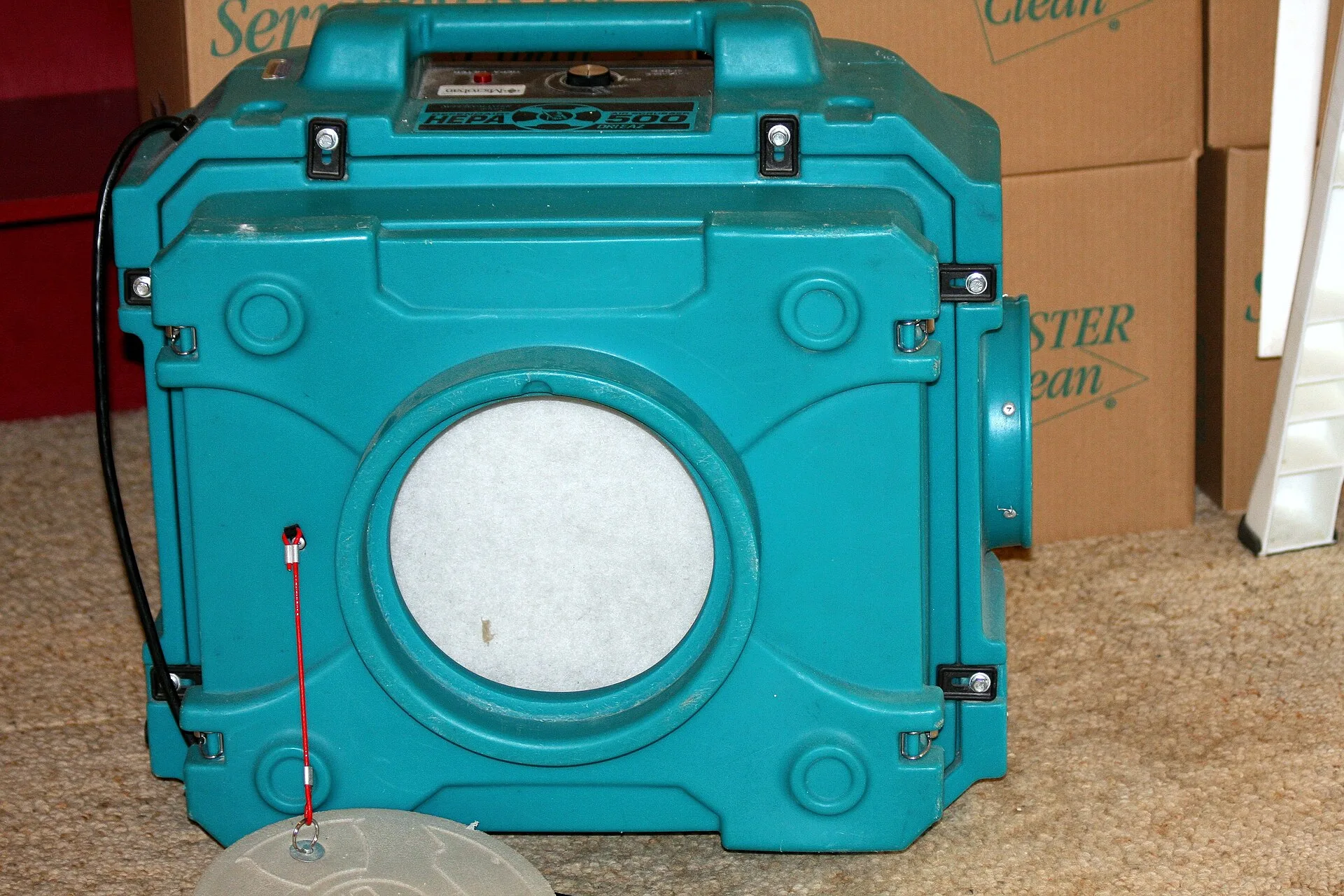
Most filtration retrofits are plug-in and reversible. A portable HEPA unit, as covered in the wildfire smoke and small homes room-by-room retrofit plan for renters, a freestanding media filter, or a box fan with a filter need no building permit in typical US and Canadian jurisdictions. The approval chain starts when you change the building envelope or the electrical system.
Does Your Retrofit Need a Permit?
Changing building envelope or electrical system?
Building or electrical permit likely
Plug-in units need no permit
Any new exterior penetration, such as a wall vent for a filtered exhaust or a fresh-air intake, usually requires a building permit under the local building code. In New York City, that means the NYC Construction Codes and a filing through DOB NOW: Build, where you choose the alteration type (Alt-1, Alt-2, or Alt-3). Adding a dedicated 20-amp circuit for a larger purifier or an HRV may need an electrical permit under the NYC Electrical Code. Mechanical permits often cover new ductwork or exhaust fans. In Canada, the City of Calgary and the City of Kelowna building departments administer permits under the Alberta Building Code and the BC Building Code, respectively; Toronto uses the Ontario Building Code. Permit fees and processing times vary by city and project valuation, so check the building department's fee schedule before you file.
The official NYC Buildings portal lists filing requirements for alterations and renovation guidance. If your project touches a kitchen vent or a shared wall, the small apartment kitchen permits NYC sequence shows what to file first. The order matters because a permit rejection can delay the hardware order.
Condo board and landlord approvals
Condo ownership gives the board authority over common elements and exterior changes. In Ontario, the Condominium Act, 1998 and your corporation's declaration, bylaws, and rules govern alterations. In Alberta, the Condominium Property Act and the condominium's bylaws apply; in British Columbia, the Strata Property Act and the strata corporation's bylaws apply. Even a window insert for a portable AC or a balcony-mounted purifier can fall under these alteration rules. This structure is explained in the condominium ownership overview.
Approval Paths by Housing Type
Condo
- Who approves
- Board vote
- Typical documents
- Alteration agreement
- Common restrictions
- Exterior changes
- Safe reversible option
- Window insert
Renter
- Who approves
- Landlord consent
- Typical documents
- Written consent
- Common restrictions
- Permanent fixtures
- Safe reversible option
- Floor HEPA unit
HOA
- Who approves
- Covenant rules
- Typical documents
- HOA approval
- Common restrictions
- Exterior modifications
- Safe reversible option
- Plug-in filter
For a Toronto condo, the Toronto condo board sign-off process under the Condominium Act, 1998 includes a written alteration agreement, insurance certificates, and a timeline for approval. The board may also restrict noise from compressors or require a licensed contractor for any core drilling.
Renters face a different gate. A lease may prohibit permanent fixtures or exterior modifications. Written landlord consent is the safe path for any retrofit air filtration rental home rules. Reversible options include a floor HEPA unit, a window seal kit with a tenant-friendly insert, or a plug-in filter in an existing return. In Calgary, a renter who cannot drill should treat the City of Calgary building department as the permit authority for any exterior work and the lease as the approval gate for everything else.
Even where a homeowner association rather than a condo board applies, the approval process follows similar covenant rules.
A portable purifier needs no permit. A new hole in the building envelope usually does.
MERV 13 and small HVAC limits
MERV 13 filters capture fine smoke particles, but they add resistance. A one-inch MERV 13 in a slot designed for MERV 8 can choke airflow, raise static pressure, and strain the blower. Check the furnace or air handler nameplate for maximum total external static pressure, and compare it with the filter's pressure drop at the airflow your system uses.
MERV 13 vs Existing Filter Slot
MERV 13 in 1-inch slot
- Airflow
- Restricted
- Static pressure
- Higher
- Blower strain
- Possible
- Approval
- None, check blower
4-inch media cabinet
- Airflow
- Improved
- Static pressure
- Lower
- Blower strain
- Reduced
- Approval
- None
A four-inch media cabinet or a filter grille with a larger face area often solves the problem. Some small HVAC systems need a deeper filter box or a bypass. If the blower cannot handle MERV 13, a standalone HEPA purifier may be the better retrofit.
| Change | Typical approval |
|---|---|
| Plug-in HEPA purifier | None |
| MERV 13 in existing slot | None, but check blower |
| New exterior vent or duct | Building permit often required |
| Dedicated 20A circuit | Electrical permit in many areas |
| Window insert or balcony unit | Condo board or landlord consent |
Portable purifier sizing by square footage
Portable air purifier square footage sizing follows the CADR method, as covered in the 2027 field guide to small-space living. The Association of Home Appliance Manufacturers (AHAM) suggests a smoke CADR at least two-thirds of the room area in square feet. A 120 square foot bedroom needs a smoke CADR of 80 or higher.
Portable Purifier Sizing by CADR
- 2/3Smoke CADR to room area ratio
- 120 sq ftBedroom needs CADR 80+
- HEPAFilter type for wildfire smoke
HEPA is the filter type for wildfire smoke particles. Add an activated carbon layer if you smell smoke indoors, since carbon reduces odors and some volatile organic compounds. Place the unit near the breathing zone, not behind furniture.
Example: Calgary rental retrofit
A Calgary renter in a 600 square foot apartment wants smoke protection. The lease bans drilling. The tenant buys a HEPA purifier with a smoke CADR of 200, seals the bedroom window with removable weatherstripping, and sets the bathroom fan to run longer. Because the device is plug-in and reversible, no City of Calgary building department permit and no landlord approval for exterior work is required.
No permit is needed. No landlord approval is needed for a plug-in device. The tenant keeps a copy of the lease clause that allows portable appliances. During a smoke event, the tenant closes windows and runs the purifier on high in the bedroom.
For Kelowna and Calgary homes, the wildfire smoke filtration retrofit steps cover HRV adjustment and gap sealing. Owners can also upgrade to MERV 13 with a media cabinet if the furnace allows. In Kelowna, the City of Kelowna building department administers permits under the BC Building Code; in Calgary, the City of Calgary building department administers permits under the Alberta Building Code.
Wildfire smoke season checklist
- Close windows and set HVAC or HRV to recirculate.
- Run a HEPA purifier sized to the room.
- Seal gaps around window frames, doors, and utility penetrations.
- Check MERV 13 filter pressure drop monthly during smoke season.
- Track the Air Quality Health Index in Canada or the AirNow AQI in the US. On the AQHI, 7 or higher is high risk; on the AirNow AQI, 101 or higher is unhealthy for sensitive groups.
- Read your lease, condo bylaws, declaration, or HOA covenants for alteration rules.
- Confirm the filter's static pressure against the furnace nameplate.
- File for a building or mechanical permit with the local authority—DOB NOW: Build in New York City, the City of Calgary building department in Calgary, or the City of Kelowna building department in Kelowna—if you cut a new exterior penetration.
- Get written approval before drilling into shared walls or mounting exterior hardware.
- Keep approval letters and receipts for resale or future inspections.