Features
Wildfire Smoke: Small Home Retrofit Priorities for Renters
A wildfire smoke small home retrofit guide for renters, covering purifier placement, sealing priorities, filter choices, and approval questions.
What to take away
- A wildfire smoke small home retrofit starts with a purifier in the bedroom. Sleep is where you spend the longest uninterrupted stretch of breathing.
- Seal the sleeping room before you shop. Leaks under doors and around window sashes decide how hard the filter has to work.
- Portable HEPA units and box fan filter builds need no permit. Wall penetrations, window-mounted units, and shared HVAC changes often do.
- Size by smoke CADR, not by the room size printed on the box.
- Stack spending in tiersseal, then one purifier, then a second, then ducted filtration.
Start with the room where you sleep
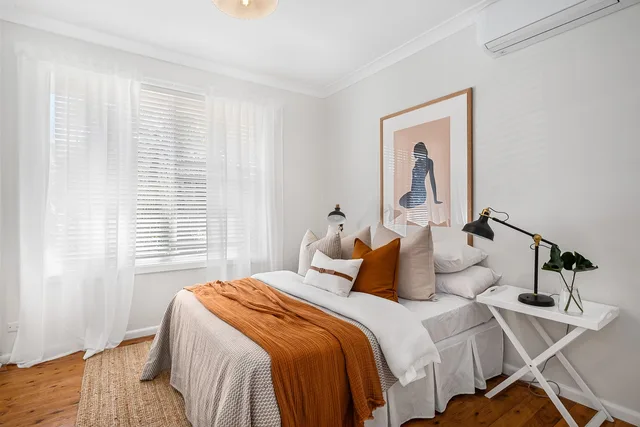
You breathe in one room for six to eight hours. If the budget allows only one purifier, it belongs in the bedroom, running on low all night. Close the door and block the gap beneath it with a removable draft guard.
Second priority is the room you use most while awake. That is usually a living room or a work corner in a small apartment. Third is the kitchen, where cooking particles add to smoke.
Bathroom and range exhaust fans push indoor air out and pull outdoor air in through leaks. Leave them off while smoke is heavy and the windows are shut.
Filter swaps in a ducted system, and any hole cut into a wall, raise a separate set of questions about air filtration retrofit approvals, which our companion guide covers.
Purifier sizing with CADR, not the label
Certified air cleaners sold in the United States carry a Clean Air Delivery Rate, tested through the AHAM certification program. Read the smoke CADR figure. AHAM guidance suggests a smoke CADR equal to at least two thirds of the floor area in square feet, based on a standard ceiling height.
Purifier sizing with CADR
| Room | Floor area | Smoke CADR target | Run pattern |
|---|---|---|---|
| Bedroom | 100 to 150 sq ft | 70 to 100 | low all night |
| Living room | 200 to 300 sq ft | 135 to 200 | medium, or two units |
| Kitchen | 80 to 120 sq ft | 55 to 80 | high while cooking |
| Bathroom | 40 to 60 sq ft | 30 to 40 | off, and fan off |
Targets are arithmetic from the two-thirds rule, not a manufacturer claim. Add roughly ten percent if the ceiling sits above nine feet.
A sealing order renters can finish in an afternoon
- Weatherstrip the sleeping room windows. Press rope caulk or removable foam into sash gaps and confirm the latch pulls tight.
- Block the bedroom door gap with a draft guard, then repeat in the second most used room.
- Add a door sweep or removable stopper to every exterior door, and look for daylight at the strike plate.
- Cap outlets and switch plates on shared walls. Smoke migrates between units through those cavities.
- Run the purifier last. Cleaner incoming air means longer filter life.
Pre-season checklist for a small apartment
- Buy one spare HEPA filter sized for your unit
- Vacuum the pre-filter screen and let it dry fully
- Test the purifier on high for ten minutes
- Check that window hardware still locks after sealing
- Store painter's tape and window film where you can reach them fast
Condo rules, landlord consent, and MERV 13 limits
Portable purifiers, box fan builds, and removable sealing need no approval in most buildings. Anything that changes the envelope does. Window-mounted units can conflict with facade rules and with safety requirements, and through-wall vents usually need board sign-off plus a licensed contractor.
Check your condominium documents for the board-approval process and any alteration agreement before changing windows, walls, or shared systems.
Ducted upgrades are trickier. A MERV 13 filter in a system rated for MERV 8 can reduce airflow and strain the blower. Ask your landlord in writing before swapping a filter in a shared unit.
Building codes set minimum ventilation, so a heavily sealed apartment still needs a plan for fresh air. Renters in federally assisted housing can ask about habitability standards through HUD rental assistance programs.
Retrofit tiers and what each one buys
- Tier one, sealing onlyweatherstripping, rope caulk, a door sweep, and window film. No electricity, no approval, and it improves every later tier.
- Tier two, one certified HEPA purifier sized for the bedroom, plus sealing.
- Tier three, a second purifier for the main living area, or a Corsi-Rosenthal box built from a box fan and a MERV 13 furnace filter.
- Tier four, ducted filtration or a through-wall vent. This tier needs consent, a contractor, and often a permit.
Wildfire smoke particles are mostly fine and ultrafine. Look for MERV 13 or higher on a filter label, or a HEPA unit, rather than a washable pad or a thin "electrostatic" screen.