Features
Part of Small room renovation: what to ask before you sign a quote
Five local factors behind small-room renovation bids
Small room renovation bids vary by region for five reasons: labor, building access, adopted codes, climate scope and freight, and where to check each one.
What to take away
- Labor rates explain less of the gap than access and code do.
- Adopted code editions vary, and so does what your scope triggers.
- Climate adds scope in some regions and removes it in others.
- Dense cities charge for logistics that suburbs give away free.
Small room renovation work varies by region for five practical reasons: labor availability, building access, adopted codes, climate scope, and material freight. This article covers cost drivers, not price estimates; compare bids only after matching project scope and site conditions.
Labor market
Skilled trade availability varies enormously. A market with a construction boom prices small jobs badly, because a compact renovation competes for the same crew as a whole house project and loses.
What you can do: book outside peak season, be flexible on start date, and give a fully defined scope so nobody prices in uncertainty.
Access and logistics
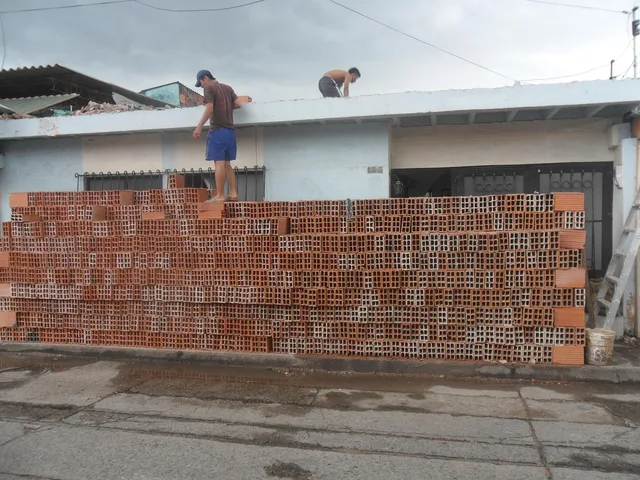
This is the difference nobody puts in a calculator. A ground floor suburban bathroom and a fourteenth floor apartment bathroom are different jobs.
Urban premiums come from parking, elevator scheduling, restricted work hours, insurance certificates required by a building, and the cost of getting waste out. In some buildings a single elevator reservation drives the whole schedule.
Adopted codes
Jurisdictions adopt different editions of the model codes and amend them locally. That changes what your scope triggers, what inspections apply, and sometimes what materials are permitted.
In the United States, the model codes behind most residential rules come from the International Code Council: the International Residential Code (IRC) for one- and two-family homes and the International Energy Conservation Code (IECC) for energy rules. The U.S. Department of Energy's Building Energy Codes Program tracks adoption of energy codes for residential and commercial buildings, reviewing state adoptions against the IECC for residential buildings. That tracker is a quick first look at which energy code edition your state works from.
This is a live cost variable, not paperwork. The only reliable move is to ask your local building department which edition is in force and what your specific scope requires before you compare bids.
Then put the same question to each bidder. Our list of hiring questions explains why a bid priced against a different edition than your jurisdiction enforces has priced a different job.
Climate adds or removes scope
Cold regions add work that warm regions never see. The Code Council's guide to winterizing a home collects the standard list, citing CDC guidance. It covers weather stripping, insulation and storm windows, insulating water lines that run along exterior walls, professional servicing of the heating system, inspection of fireplaces and chimneys, and installing a carbon monoxide alarm.
If your renovation opens a wall on an exterior elevation in a cold climate, several of those become part of the job rather than a separate project.
To place your home on that spectrum, use the IECC climate zone for your county rather than a general sense of "cold" or "warm". The Building America Solution Center publishes the Guide to Determining Climate Zone by County, with data files for the 2021 IECC climate zone map, so you can look up the zone a bidder should be designing insulation and window work to.
Flood exposure changes materials and details. FEMA's page on floods makes the scale of the exposure plain: flooding is the most common disaster in the United States, and it can develop slowly or arrive as a flash flood without warning. To see your own exposure, use the FEMA Flood Map Service Center, the official online location for flood hazard mapping products under the National Flood Insurance Program, including your community's flood map. Every community that participates in the program has a floodplain administrator who works with FEMA during the mapping process, a useful local contact before you choose finishes.
In a flood prone area, that argues for finishes and cabinetry at the lowest level that can be dried or replaced without demolition. That costs more up front and much less later. Which materials survive that treatment and which fail permanently at a wet edge is set out in our comparison of compact furniture materials.
Material access
Distance from a distribution center shows up in freight and in lead time. In remote markets, the choice is often between paying for shipping or accepting whatever the local supplier stocks.
| Factor | Where it hurts most | Can you control it |
|---|---|---|
| Labor rates | Booming metros | Partly, by timing |
| Access and logistics | Dense cities | Partly, by planning |
| Adopted codes | Everywhere | No, but you can ask early |
| Climate scope | Cold and flood zones | No |
| Freight | Remote markets | Partly, by substitution |
The base method for pricing any of this is in our guide to renovation costs and hidden expenses, and the design consequences of climate are covered in our piece on regional choices for small space living.